
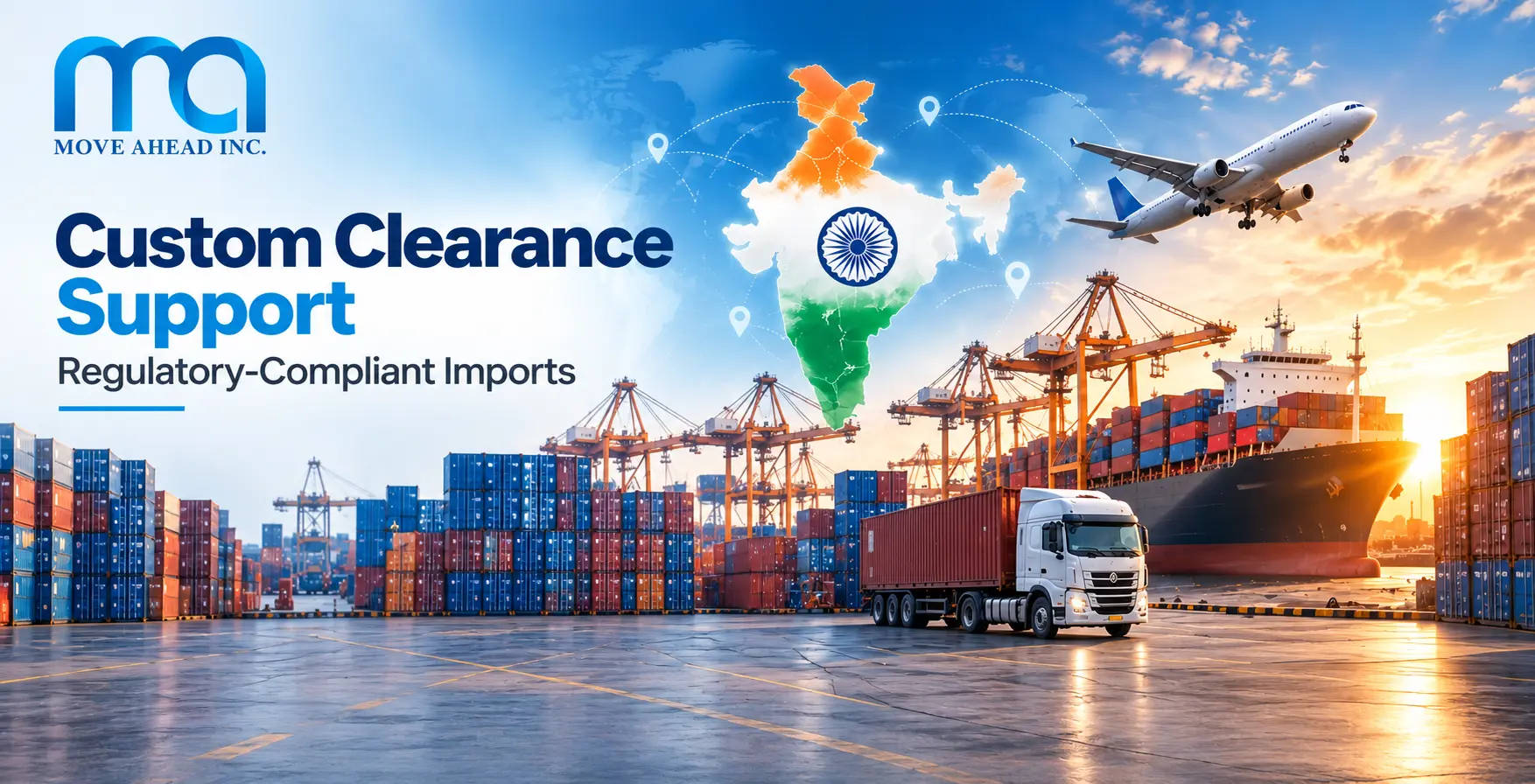
Custom Clearance Support for Regulatory-Compliant Imports
 14th October, 2026
Custom Clearance Support for Regulatory-Compliant Imports
Custom clearance compliance begins before goods are shipped. The importer should confirm product classification, import policy, valuation basis, country of origin, licences or registrations, product-specific approvals, labelling, documents and port readiness before the supplier dispatches cargo. A customs broker or regulatory consultant can coordinate filings and responses, but the importer must provide accurate facts and retain responsibility for its declarations and regulated-product obligations.
Build one shipment file that connects purchase order, product specification, invoice, packing list, transport document, insurance, origin evidence, licences, test reports and label artwork. Resolve discrepancies before arrival. When food, cosmetics, medical devices or other controlled products are involved, customs clearance and regulator clearance must be planned together rather than as sequential surprises.
MoveAhead describes import support services, including customs-clearance coordination, FICS assistance, document filing and logistics. The exact approval path remains product- and shipment-specific, so use the service page as a starting point and validate requirements against current official systems and professional advice.
Why Pre-Shipment Compliance Matters
Once cargo is in transit, missing permissions, inconsistent labels or an unclear classification can create storage, demurrage, testing, amendment or re-export risk. Pre-shipment review gives the importer time to correct artwork, obtain a licence, request origin evidence, clarify composition or restructure documents. It also lets commercial teams understand landed cost before committing to a sale.
The review should cover the actual product, not just its marketing name. Composition, function, presentation, pack size, intended user, claims and end use can affect classification and regulator jurisdiction. Ask the supplier for technical documents early and escalate ambiguity instead of guessing from a similar previous item.
Build a Product Compliance Profile
|
Data field |
Examples of evidence |
Why needed |
|
Product identity |
Specification, model, composition, images |
Supports classification and regulator review |
|
Intended use |
Technical note and marketing claims |
May change product category |
|
Packaging |
Unit, retail or bulk pack details |
Affects labelling and quantity records |
|
Origin and supplier |
Manufacturer address and origin evidence |
Supports declarations and preferences |
|
Restricted features |
Ingredients, wireless, chemicals or dual use |
Identifies licences or NOCs |
|
Storage and shelf life |
Temperature and expiry information |
Plans handling and port release |
Maintain an approved master profile for repeat imports and update it when formulation, model, claim, manufacturer or pack changes. A small commercial change can alter classification or approval status. The compliance owner should sign off the shipment against the current version rather than assuming a purchase-order description is sufficient.
Confirm Importer Readiness
Verify the importer’s identity, Importer Exporter Code and registrations or licences applicable to the product and business. Confirm authorised signatories, digital access, broker authorisation, bank and remittance documentation, tax information and official correspondence details. Requirements vary, so treat the checklist as a control framework rather than a substitute for current legal review.
Where an approval belongs to a manufacturer, product, site or importer, check that names and addresses match shipment documents and that validity covers the expected arrival and clearance period. Do not rely on a screenshot alone; retain the approval document or verifiable record and note conditions, permitted quantities or ports where applicable.
Classify the Product Carefully
HS classification affects duty, import policy, exemptions, restrictions, data requirements and regulator routing. Classify from objective product characteristics and the applicable tariff framework. Product literature, composition, function and technical drawings may be needed. A supplier’s foreign HS code is useful evidence but does not automatically determine the Indian classification.
Record the classification rationale and escalate uncertain or high-value cases to a qualified customs professional. If an exemption or concessional rate is claimed, verify every condition and document. Avoid selecting a code only because it produces a lower duty or because a previous shipment used it without challenge.
Review Import Policy and Product Regulators
|
Question |
Control |
|
Is the item free, restricted or prohibited? |
Check current import policy and conditions |
|
Does a sector regulator apply? |
Map product facts to regulator scope |
|
Is registration or licence needed? |
Verify holder, product, site, validity and port |
|
Are standards or testing required? |
Plan certificates, sampling and laboratory time |
|
Are retail declarations required? |
Approve artwork before shipment |
|
Is a sanitary or plant permit relevant? |
Obtain it before dispatch where required |
Possible interfaces include customs, food safety, legal metrology, plant or animal quarantine, drug and medical-device regulation, environmental controls, standards or wireless approvals, depending on the product. Not every shipment needs every approval. Create a product-specific matrix with an evidence owner and status for each requirement.
MoveAhead’s service menu includes food product compliance, food label compliance and cosmetic import registration. These related pages help importers identify where customs documentation must align with sector-specific product and label requirements.
Prepare a Consistent Document Set
|
Document |
Consistency check |
|
Commercial invoice |
Buyer, seller, description, quantity, price, currency and terms |
|
Packing list |
Packages, marks, net and gross weight |
|
Transport document |
Consignee, notify party, ports and package count |
|
Purchase order or contract |
Product, price, Incoterms and commercial terms |
|
Insurance and freight evidence |
Supports landed-value analysis where relevant |
|
Origin evidence |
Country and preference requirements |
|
Licences and certificates |
Correct product, entities, dates and conditions |
Descriptions should be specific enough to identify the goods and consistent across documents. Part numbers, batch details and quantities should reconcile. Explain legitimate samples, free-of-charge items, assists, moulds, commissions, royalties, discounts or related-party arrangements to the professional handling valuation. Do not hide differences with vague descriptions.
Understand Customs Valuation
Customs value is not simply whatever number appears on an invoice. Transaction value and adjustments can depend on commercial relationships, freight, insurance, assists, royalties, licence fees, proceeds and other facts. Keep contracts, payment evidence and transfer-pricing context where relevant. A low or unusual value may invite questions, so prepare an evidence-based explanation before filing.
The importer should review the draft declaration and duty calculation before submission. Confirm currency, quantity, units, exemption notifications, preference claims and additions. Corrections after filing or assessment can require a formal process and may delay release. Never approve a declaration without access to the supporting documents.
Bill of Entry and Digital Filing Controls
Customs declarations are filed electronically through the applicable ICEGATE and customs process. Establish who prepares, reviews and authorises the Bill of Entry. Use a two-person review for product description, classification, assessable value, duty, exemption, licence, port, mode and package details. Retain the filed version, assessment messages, payment evidence and release records.
System integration does not remove the need for document quality. A single-window referral may send data to a participating government agency, but the importer must still provide correct product facts and respond to queries. Monitor messages and deadlines through authorised accounts and avoid sharing credentials informally.
Food Import Clearance and FICS Planning
For food imports, confirm importer and product requirements, label compliance, shelf-life conditions, sampling risk, storage and documents before shipment. MoveAhead explains that the Food Import Clearance System works with customs through the single-window environment. Importers should plan for regulator review and possible sampling without assuming every shipment follows the same timeline.
Check ingredient list, additives, product category, claims, nutrition information, manufacturer details, batch coding and label declarations with a food-regulatory specialist. Where rectification is legally possible, understand location, supervision and approval before relying on it. The company’s food licensing service provides additional context, but shipment decisions should follow current official requirements.
Labelling Before and After Arrival
Retail and sector-specific declarations should be approved before printing and shipment. Confirm who is named as importer, product identity, net quantity, country of origin, dates, instructions, warnings and other applicable declarations. Packaging artwork must match the imported product and approval records. Stickers or post-arrival changes are not a universal remedy.
Retain approved artwork and photographs of the shipped labels. If a corrective activity is proposed, obtain written professional confirmation that it is permitted and define supervision, location and evidence. Unauthorised alteration can create customs, regulator and consumer-law risk.
Port Logistics and Examination Readiness
Share arrival notice, documents and product profile with the clearance team before the vessel or flight arrives. Plan delivery order, terminal charges, container or cargo movement, examination, sampling, cold chain, hazardous handling and final transport. Verify warehouse readiness and any licence conditions at the destination.
For an examination, ensure package marks and item references let officers match goods to documents. Provide technical literature and a knowledgeable contact. Do not interfere with seals or samples. Record examination and sampling documents, quantities and laboratory references so the shipment file remains complete.
Responding to Queries and Holds
When customs or another agency raises a query, answer the exact question with consistent documents and a concise explanation. Coordinate one approved response rather than sending conflicting material from supplier, broker and business teams. Track the date, owner, evidence, submission and next action. Escalate legal interpretation or dispute decisions to appropriately qualified counsel.
Avoid promises of guaranteed clearance or fixed release time. Timelines can depend on assessment, examination, agency referral, sampling, system availability, payment, port operations and the completeness of responses. A support provider can improve preparation and coordination but cannot control every government or logistics event.
Post-Clearance Compliance
After release, reconcile quantity, duty, exemptions, licences and delivery. Retain the Bill of Entry, invoices, payment, transport, approvals, test reports, release orders and correspondence according to the applicable record requirements and company policy. Link the shipment to inventory and sales records so regulated goods remain traceable.
Review deviations: classification questions, document amendments, unexpected charges, regulator sampling, damage or delays. Update the product master and supplier instructions before the next order. Post-clearance audit readiness is easier when each decision has a dated rationale and evidence.
Selecting Custom Clearance Support
|
Capability |
What to verify |
|
Product understanding |
Can the team explain needed technical evidence? |
|
Regulatory coordination |
Does it identify relevant agency interfaces? |
|
Customs filing |
Who reviews classification, value and exemptions? |
|
Port execution |
Which ports, modes and examination steps are covered? |
|
Communication |
Who owns queries, updates and escalation? |
|
Records and confidentiality |
How are documents secured and returned? |
|
Scope limits |
Which legal opinions, licences and costs are excluded? |
The engagement letter should name importer responsibilities, service scope, authorised parties, fees, third-party charges and escalation. Ask for a pre-shipment checklist and review gate. Choose a partner that documents uncertainty and asks for evidence rather than promising that every consignment will clear without scrutiny.
Common Import Compliance Mistakes
- Shipping before classification, licences and labels are confirmed.
- Using vague descriptions or inconsistent quantities across documents.
- Copying a foreign HS code without an Indian classification review.
- Treating customs and sector-regulator approvals as separate projects.
- Approving the Bill of Entry without checking value, units and exemptions.
- Assuming post-arrival relabelling is always allowed.
- Keeping correspondence in personal inboxes instead of a shipment file.
A Practical Shipment Workflow
- Create and approve the product compliance profile.
- Confirm importer registrations, classification, policy and approvals.
- Approve labels, supplier instructions and the pre-shipment document pack.
- Review value, origin, Incoterms, port plan and landed-cost estimate.
- Authorise filing only after a line-by-line declaration check.
- Coordinate assessment, examination, regulator referral and delivery.
- Close the shipment file and update controls for the next import.
Important Professional Limitation
This guide is a workflow aid, not legal, customs or regulatory advice for a specific shipment. Requirements and official processes can change, and product facts may alter the applicable route. Verify current rules on official government systems and obtain qualified advice before dispatch, classification, valuation, licence reliance or a response to an enforcement action.
Supplier Onboarding for Import Compliance
Give overseas suppliers a controlled document and labelling specification before the first order. Explain the exact legal entity names, importer address, product description, origin evidence, batch or serial information, pack declarations and certificates required. Suppliers should notify the importer before changing manufacturer, composition, model, artwork, factory, origin or shipping route.
Evaluate whether certificates are issued by the appropriate body, refer to the actual product and remain valid for the shipment. Match names, addresses and model references. A polished PDF is not enough when its scope is unclear. Keep an approved supplier-document matrix and test it with a pre-shipment scan of one complete pack.
Landed-Cost and Delay Scenario Planning
Build a landed-cost model that separates product price, freight, insurance, duty, taxes, handling, broker fees, agency testing, storage, detention, inland transport and finance cost. Include scenarios for examination or sampling when they are plausible. This supports pricing and prevents the business from treating statutory or port charges as an unexpected clearance failure.
Define decision points for a serious hold: additional evidence, testing, amendment, warehousing, re-export, abandonment or appeal. The appropriate route requires professional advice and authority; a scenario plan simply clarifies who evaluates cost and risk. Ensure that sales commitments do not depend on a release date that no service provider can guarantee.
Controlled Communication with Brokers and Consultants
Use named contacts, approved email domains and a shipment reference in every exchange. The importer should receive the draft declaration and material query responses before filing. Establish which changes a broker may make routinely and which require written importer approval. Keep commercial, technical and regulatory evidence in a shared controlled record rather than scattered messaging threads.
Protect sensitive formulations, prices and personal data through proportionate access. Revoke access when an engagement ends and retain an export of the shipment record. If several providers handle regulatory, customs and logistics work, use one responsibility matrix so no task is assumed to belong to someone else.
Audit the Process, Not Just the Outcome
A shipment that was released is not automatically compliant, and a shipment selected for examination is not automatically deficient. Periodically sample files and verify that classification rationale, licences, value adjustments, label approvals, declaration review and records are complete. Track repeat amendments, duty corrections, queries and supplier errors as leading indicators.
Convert audit findings into controls: updated templates, supplier training, approval gates or system fields. Assign owners and deadlines, then confirm the next shipment used the revised process. This continuous loop is what turns customs-clearance support from reactive port handling into a repeatable import-compliance capability.
Frequently Asked Questions
1. What is custom clearance compliance?
It is the process of making accurate declarations, paying applicable duties and meeting import-policy, documentation and product-regulator requirements for a shipment.
2. When should compliance review begin?
Before placing or at least before shipping the order, while classification, approvals, labels and documents can still be corrected.
3. Who is responsible for the customs declaration?
A broker may file it, but the importer must provide accurate information, review the declaration and meet its legal obligations.
4. Can the supplier’s HS code be used in India?
It is evidence, not an automatic answer. Classification should be reviewed under the applicable Indian tariff and product facts.
5. What documents are commonly required?
Common documents include invoice, packing list, transport document, contract or purchase order, origin evidence and product-specific licences or certificates.
6. What is FICS?
It is the Food Import Clearance System used for food-import clearance and connected with the customs single-window environment.
7. Does every import need an NOC?
No. Product facts and regulator scope determine which registration, licence, permit, NOC or testing requirement applies.
8. Can labels be corrected after arrival?
Do not assume so. Any rectification must be permitted for the product and performed under the applicable approved process.
9. Why can customs question the invoice value?
Valuation may involve relationships, freight, insurance, assists, royalties, discounts or other additions, and unusual values may require evidence.
10. How long does clearance take?
There is no guaranteed universal time; assessment, examination, agency referral, testing, system and document completeness all affect release.
11. What should be checked before approving a Bill of Entry?
Check description, HS code, quantity, unit, value, currency, origin, exemption, licence, duty, port and supporting documents.
12. What should be retained after clearance?
Keep filed declarations, invoices, approvals, payment and release evidence, transport records, test reports and official correspondence.
Move Every Shipment from “Documents Ready” to Compliance Ready
Reliable clearance starts with a product-specific compliance decision before cargo moves, followed by consistent documents and a controlled review of every declaration. Compile the product specification, composition, intended use, labels, origin, value and planned port, review MoveAhead About Us page and use the MoveAhead contact page to request a scoped pre-shipment and customs-clearance support plan





-
Custom Clearance Support for Regulatory-Compliant Imports
Posted on Oct 14, 2026
-
Regulatory Strategy for Health Supplements in India
Posted on Oct 07, 2026
-
Food Additive Compliance: What Manufacturers Should Review
Posted on Sep 30, 2026
-
How to Identify Reliable Ingredient Sourcing Partners
Posted on Sep 23, 2026
-
FSSAI Renewal
Posted on Mar 24, 2026
-

The Importance of Compliance in Cosmetic Regulations
Posted on Jul 28, 2025
-

How to Avoid Misleading Cosmetic Claims in India: A Guide to Regulatory Compliance and Responsible Marketing
Posted on Jul 04, 2025
-

FSSAI Compliance in 2025-How to Get Food Compliance in 5 Easy Steps
Posted on Apr 17, 2025
-
Importance of Product Compliance
Posted on Jun 27, 2024
-
12 Myths about Food Product Compliance
Posted on Sep 21, 2023